 VISIT US ON FACEBOOK

How Bitcoin Is Revolutionizing Online Casino Payments in Canada: A Complete Guide for 2026
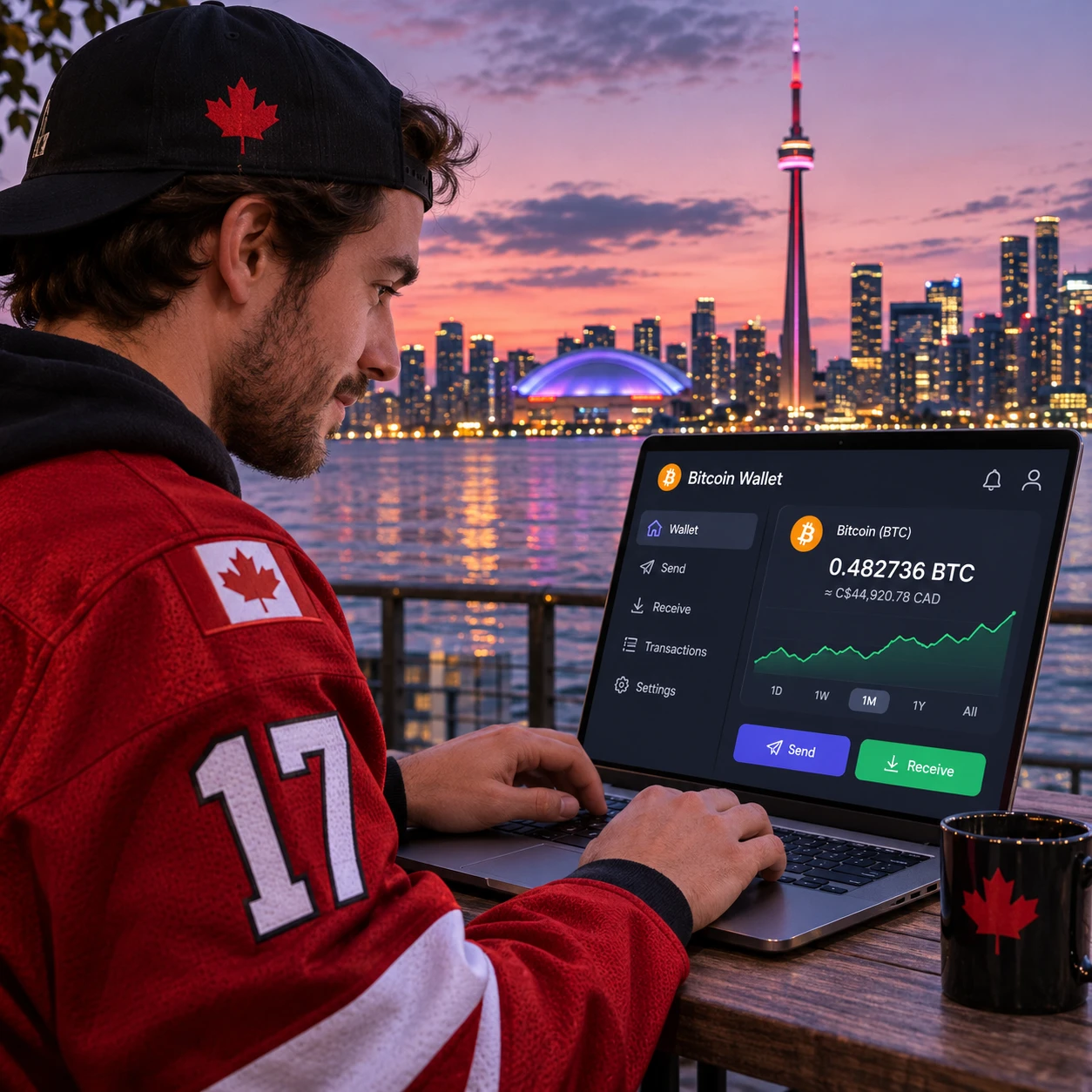
I've been tracking the crypto gambling scene in Canada for a few years now, and the shift since 2022 is bigger than I expected. Back then, paying a casino in Bitcoin felt like a niche trick — something for tech people who actually enjoyed the friction. In 2026 it's just normal. Thousands of Canadians do it every week.
What follows is how it works, what it costs, where the sharp edges are, and how to start without repeating the beginner mistakes I made myself.
Why Bitcoin Is Transforming the Canadian Online Casino Landscape in 2026
You'd think payments would be the easy part of online gambling in Canada. They aren't. Banks block gambling transactions on credit cards often enough that players expect it, e-transfers can sit there on the withdrawal side, and anyone playing on a site priced in US dollars or euros watches conversion fees quietly shave the balance down.
Bitcoin knocks out several of those headaches at once. It's borderless. It doesn't care what your bank thinks. Transactions settle on a public network instead of through a chain of intermediaries taking a cut and a day each.
Then there's the comfort factor. Spot Bitcoin ETFs, regulated Canadian exchanges, digital wallets on every phone — the technology stopped feeling exotic a while ago. My cousin asked me about buying Bitcoin in 2020 like it was a secret handshake. Now she has a wallet app next to her banking app.
The result is a clear shift. More players treat Bitcoin as their main casino payment method, and more operators build their cashiers around it instead of bolting it on at the end.
Understanding Bitcoin Payments in Online Casinos: The Basics
New to this? Here's the short version. Bitcoin is a decentralized digital currency running on a blockchain, which is really just a shared public ledger. Every transaction gets recorded there and confirmed by a network of computers rather than a bank. Send Bitcoin to a casino and you're moving value straight from your wallet to theirs.
What separates a Bitcoin casino from a traditional one is mostly the cashier. Traditional sites lean on cards, bank transfers and e-wallets. Bitcoin-friendly platforms take crypto deposits and usually pay winnings back in crypto too, with fewer steps and less paperwork at the payment stage. The games — slots, blackjack, roulette, live dealer tables — are the same kind of thing you'd find anywhere else.
How Bitcoin Casino Transactions Work
Honestly, the process is simpler than most people assume. Roughly, it goes like this:
- Set up a wallet. A mobile app, a desktop wallet or a hardware device. Beginners usually start with a reputable mobile wallet, and that's fine for small amounts.
- Fund the wallet. Buy Bitcoin on an exchange and send it to your own wallet address.
- Deposit. In the casino cashier, pick Bitcoin, copy the deposit address (or scan the QR code) and send the amount from your wallet.
- Wait for confirmation. Most casinos credit your account after one to three network confirmations, typically within 10 to 30 minutes. Sometimes faster.
- Withdraw. You request a payout to your own wallet address. Many casinos process these within minutes to a few hours, though identity checks can add time on larger amounts.
One tip from experience: send a small test amount first if the address is new to you. Bitcoin transactions can't be reversed, so a typo in the address stays a typo. Nobody's fixing it afterward.
Bitcoin vs Traditional Payment Methods in Canadian Casinos
Here's how Bitcoin stacks up against what most Canadians already use:
- Credit and debit cards: Convenient, but declines are common, and withdrawals back to cards can take several business days.
- Interac e-Transfer: Popular and trusted, but limits and bank policies vary, and not every casino supports it for payouts.
- E-wallets: Fast once set up, but they often charge fees and can be restricted depending on where you live.
- Bank wire: Reliable for large sums, but slow and sometimes expensive.
- Bitcoin: Fast for deposits and withdrawals alike, no bank involvement — but it needs a bit of setup and care.
Key Benefits of Using Bitcoin for Online Casino Payments in Canada
When people ask me why they should bother, I point at a handful of practical things rather than big promises. Withdrawals usually land quicker. Fees are often lower. There are no chargebacks complicating the picture, and you dodge a lot of the currency conversion charges that come with playing on international sites.
There's one more group I keep hearing from: players whose banks have declined gambling transactions before. For them, Bitcoin isn't a novelty. It's the workaround.
Security and Anonymity Advantages
Bitcoin payments don't require you to hand card numbers or banking details to a casino. That cuts down how much sensitive data sits on a gambling site's servers — which matters a lot the day that site gets breached. Transactions are secured by cryptography and recorded on a tamper-resistant public ledger.
On privacy, I'll be straight with you: Bitcoin is pseudonymous, not fully anonymous. Your wallet address isn't tied to your name by default, but the blockchain is public, and reputable casinos still run identity checks (KYC) at certain thresholds. Anyone promising total anonymity is selling you something. Treat it as a warning sign, not a feature.

Speed and Cost Efficiency
Speed is where I notice the difference most. A bank withdrawal that drags out three to five business days becomes a crypto payout in under an hour. Fees are modest too. You pay a network fee when you send Bitcoin, it moves with network congestion, and it's usually a small fraction of what wire transfers or some e-wallets cost.
For larger transactions the savings get more obvious, because Bitcoin fees depend on data size rather than the amount sent. Sending a big balance doesn't cost proportionally more. That still surprises people.
How to Get Started with Bitcoin Casino Gaming in Canada
Getting set up takes an afternoon if you're careful. Here's the path I recommend.
1. Choose a secure wallet. For small amounts, a well-reviewed mobile wallet is fine. If you plan to hold more, look at a hardware wallet. Whatever you pick, write the recovery phrase down on paper and store it somewhere safe. Never share it with anyone, and no — not even with 'support'.
2. Buy Bitcoin through a Canadian exchange. Look for platforms registered with Canadian securities regulators, with clear fee schedules and support for Interac e-Transfer or bank transfers in CAD. Do the identity verification, buy your Bitcoin, then withdraw it to your own wallet instead of leaving it sitting on the exchange.
3. Pick a legitimate casino. This is the step where people get burned, so take your time. Check licensing, read independent reviews, look hard at the withdrawal terms and bonus conditions, and see how the support team answers a simple question before you deposit a cent. A decent starting point is browsing an online casino bitcoin resource to see what a Bitcoin-focused cashier and game lineup actually look like, then comparing a few options against your own checklist.
4. Make a small first deposit. Start with an amount you're completely comfortable losing. Confirm the deposit arrives, play a bit, then test a small withdrawal. If the whole cycle runs smoothly, scale up gradually. If it doesn't, you've learned something cheap.
5. Understand the withdrawal rules. Check minimum and maximum withdrawal amounts, wagering requirements on bonuses, and any verification steps. Bonus terms in particular can hold up payouts if you haven't cleared the playthrough conditions — that one catches a lot of people.
Legal Considerations for Bitcoin Casino Use in Canada in 2026
Gambling in Canada is regulated mostly at the provincial level. Ontario runs a licensed and regulated iGaming market; other provinces run their own platforms or take different approaches entirely. So the rules, and the operators open to you, depend on where you live. Worth checking your province's current position before you sign up anywhere.
On taxes: recreational gambling winnings generally aren't taxed as income in Canada, since they're treated as windfalls. Crypto adds a wrinkle. If you buy Bitcoin, its value rises, and then you spend it, that gain can be a taxable event under capital gains rules. Keep records of what you bought, when, and at what price. It'll save you real trouble at tax time.
For anything past the basics, talk to an accountant who understands crypto. I'm sharing my experience here, not professional tax advice. Also don't forget the age requirement — 18 or 19 depending on the province — and make sure the casino you use is comfortable serving Canadian residents.
Common Challenges and How to Overcome Them
Price volatility. Bitcoin's value can swing hard inside a single day. Deposit Bitcoin, watch it drop, and your bankroll shrinks in CAD terms even if you haven't lost a bet. Some players deal with it by depositing only what they plan to use in that session, or by using stablecoins where the casino supports them.
The learning curve. Wallets, addresses and network fees feel intimidating at first. They did for me. Practice with tiny amounts, don't rush, and after two or three transactions it turns into routine.
Finding trustworthy casinos. Look for transparent ownership, clear terms, responsive support and a track record of paying out. Skip sites with vague bonus rules or aggressive pressure to deposit more — the urgency is the tell.
Wallet security. Use strong, unique passwords, enable two-factor authentication on exchanges, and keep your recovery phrase offline. Be careful with phishing links and fake wallet apps. Both are everywhere.
Support issues. Since crypto transactions can't be reversed, sorting out a mistake depends on the casino's goodwill. Keep screenshots and transaction IDs, and contact support quickly if something looks off. Speed helps here.
And the part that matters most: gambling should stay entertainment. Set deposit limits, use the responsible gambling tools casinos provide, and walk away when it stops being fun. If you need support, ConnexOntario and similar provincial helplines are there for you.
The Future of Bitcoin in Canadian Online Gambling
Looking ahead, a few trends should shape the next couple of years. First, the Lightning Network is making near-instant, very low-fee Bitcoin payments realistic, and more casinos are experimenting with it for deposits and withdrawals. Second, players are diversifying. Ethereum, Litecoin and stablecoins like USDT and USDC show up alongside Bitcoin more often now, which gives people options when they want less volatility or lower fees.
On the regulatory side, I'd expect continued attention to consumer protection, anti-money-laundering standards and clearer guidance on crypto in licensed gambling markets, especially as provinces refine their frameworks. That probably means more verification steps. It also means more confidence for players who prefer a regulated environment.

Will Bitcoin fully replace traditional payment methods at Canadian casinos? Probably not, and it doesn't need to. What it offers is a faster, more flexible alternative that's already resetting expectations about how quickly and cheaply money should move. Learn the basics, protect your wallet, choose your platforms carefully — do that, and Bitcoin is a genuinely better way to handle casino payments in 2026 and beyond.


