 VISIT US ON FACEBOOK

Best Bitcoin Casinos in Canada for 2026: A Practical Guide to Fees, Payout Speeds, Licensing, and Safe Crypto Deposits

The way Canadians shop for online casinos has changed. A few years back the whole search came down to bonus size — who'd hand out the biggest match on a first deposit. In 2026 the questions I actually get are duller, and far more useful: what's the network fee to move my coins, how long does a withdrawal really sit in review, who holds the licence, and what happens to my money if the site vanishes on a Tuesday afternoon. People compare crypto casinos the way they compare banks now.
That's the frame for this guide. Four pillars — fees, payout speed, licensing, deposit safety — plus how they interact, because a site that wins on one usually loses on another. No hype, and no promise that anything here is risk-free.
Get one thing clear up front: there's no single national gambling regulator in Canada. Ontario runs its own licensed market through the AGCO and iGO. Players in other provinces deal with a mix of provincially operated sites and offshore operators that aren't registered anywhere in Canada. That patchwork is exactly why this has to be a 'know what you're signing up for' guide instead of a list of winners.
Why Bitcoin Casinos Are Getting Attention in Canada in 2026
The appeal isn't ideological. Crypto rails solve specific, boring friction points. Card deposits get declined by issuers that flag gambling merchants. Fiat withdrawals queue up behind 3–5 day processing windows and weekend cutoffs. Currency conversion shows up as a surprise line item. A Bitcoin deposit sidesteps all three. Mostly.
Strip the marketing off a crypto casino and here's what's left: an online gambling site that accepts cryptocurrencies as a deposit and withdrawal method, sometimes holding your balance in that coin and sometimes converting it to a fiat ledger on arrival. That's it. Crypto is a payment rail, not a trust signal. A site with a beautiful Bitcoin checkout and no verifiable licence is still a bad site. Plenty of operators have figured out that 'we take crypto' reads as 'we're modern and safe.' It doesn't.
Crypto vs. Traditional CAD Banking
Here's the honest comparison I'd give a friend.
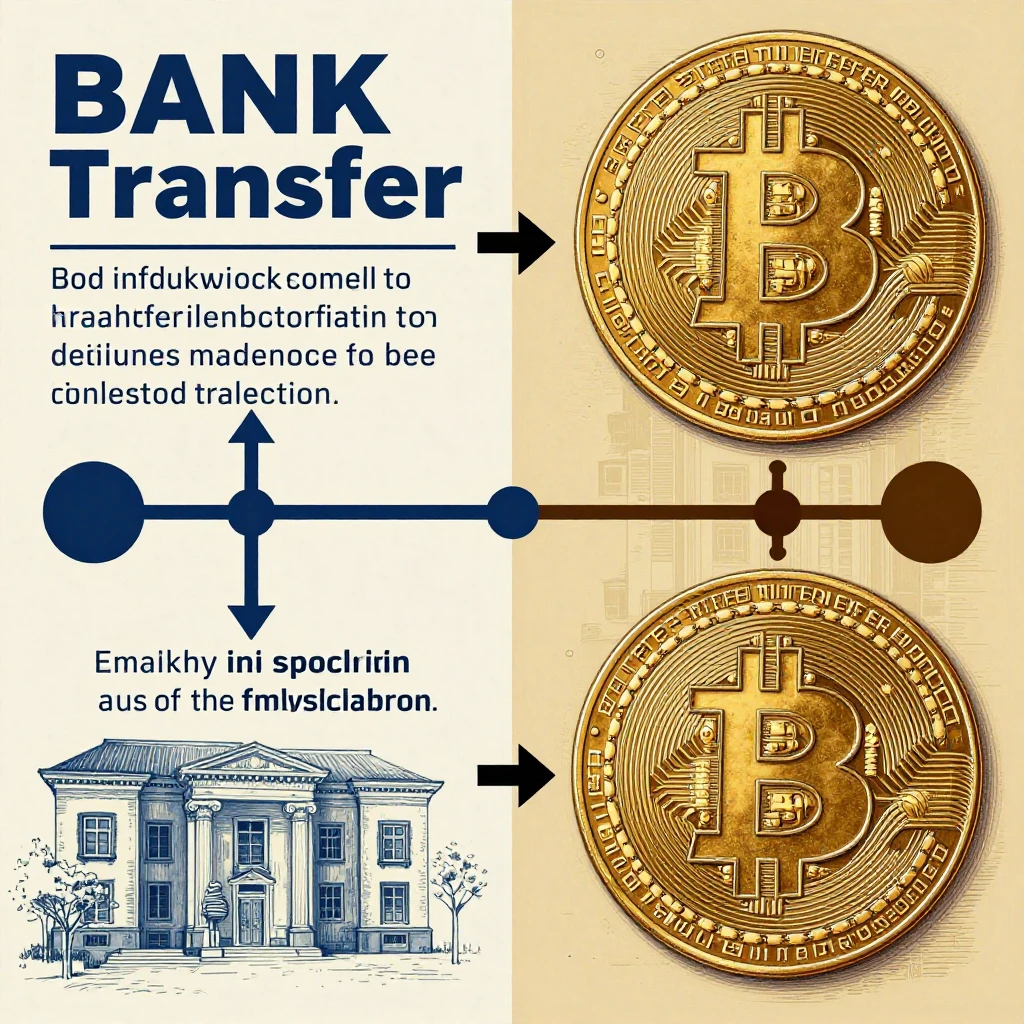
- Deposit rail: CAD banking means Interac, e-Transfer, or a card; crypto means an on-chain transfer from a wallet or exchange.
- Settlement: Interac is often near-instant going in, but withdrawals can take a business day or more. Bitcoin settles in roughly ten minutes to an hour depending on confirmations, and some sites credit at zero confirmations.
- Statement descriptor: fiat turns up on your bank statement under a merchant name. Crypto doesn't, because the bank never sees it — though the exchange you bought from does, and that's a record too.
- If something goes wrong: with a provincially regulated operator you have a complaints path and a regulator behind it. With crypto, your recourse is the site's own dispute process and, at best, a licensing authority in another country. Chargebacks largely don't exist in crypto. That cuts both ways.
How Crypto Deposits Actually Work for Canadian Players
The deposit journey is shorter than people expect. And most first-timer errors happen in the middle step, not the last one.
- Buy BTC (or ETH, LTC, USDT) on a Canadian exchange, or a wallet app that supports e-Transfer funding.
- Copy the deposit address from the casino cashier. Check the network — Bitcoin mainnet, Lightning, and an ERC-20 token are not interchangeable.
- Send a test amount first if it's your first deposit at that site. Ten dollars of caution beats a lost transfer.
- Wait for confirmations. Most sites credit after one to three; a few credit instantly and treat unconfirmed coins as provisional.
- Confirm the credited amount matches what you sent minus network cost. If it doesn't, screenshot it and open support before you play.
The questions I hear most: minimums are usually low (the CAD equivalent of $10–$20), address types get handled automatically by modern cashiers though you should still read the label, and yes — plenty of crypto casinos show a CAD figure for convenience while settling everything in crypto behind the scenes. That number is a display, not a bank balance. Worth repeating, actually.
Interac, e-Transfer, and the On-Ramp Alternatives
Interac e-Transfer still matters. Lots of Canadian-facing sites accept it for fiat-funded play, and it's the path of least resistance if you don't already hold crypto. The trade-offs are real: fast and familiar, but tied to your bank account, declinable by risk models, and often routed through a third-party payment processor whose name you won't recognize.
Where it doesn't work: some crypto-native casinos don't take fiat at all, and some that do restrict e-Transfer to certain provinces. Crypto is the alternative here, not the universal answer. If Interac is your only funding route, fine — just verify the processor and the descriptor before you send.
CAD vs. BTC Banking: Which Balance Should You Hold?
This is the decision most players get wrong, and it costs more than any fee schedule will.
If your balance sits in Bitcoin, you're holding a volatile asset between sessions. A 4% swing overnight is unremarkable for BTC, and it moves your bankroll without you touching a game. The counter-argument — that holding BTC is a hedge — is a trading thesis, not a gambling strategy. Mix the two and people lose track of what they actually deposited.
My rule: keep the play balance in CAD-denominated form where the site offers it, and use BTC strictly for moving money in and out. You'll pay a conversion spread, but you'll know exactly what your bankroll is. Watch the spread itself — it's often wider than the advertised deposit fee.
Fees and Payout Speeds: What Actually Affects Your Balance
The fee stack has four layers. Marketing usually mentions one.
- Network fee: paid to miners, not the casino. Varies with congestion. Cheap on Lightning and Litecoin, occasionally annoying on Bitcoin mainnet.
- Deposit fee: often advertised as zero.
- Withdrawal fee: frequently where the real cost hides — a flat charge, or a minimum withdrawal threshold that forces you to keep playing.
- FX / conversion spread: the quiet one. If BTC converts to CAD at a rate a percent or two off spot, that's a cost you never see on a fee page.
'Zero fees' almost always means the spread absorbed it. Compare the CAD amount credited for a fixed BTC deposit across two sites and the difference gets obvious in about ninety seconds.
Reading Withdrawal Times Without the Marketing
Separate two claims that get blurred together: instant processing and instant receipt. A site can process your withdrawal in eight seconds and still leave you waiting on blockchain confirmations — or on an internal review that has nothing to do with the chain.
Most delays trace back to one checkpoint: KYC. If identity verification is only requested at cash-out, the first withdrawal is where the queue starts. Sites that verify you at deposit, or that publish a clear verification timeline, are telling you something useful about how they operate.
Licensing, KYC, and the Canadian Legal Picture
Verify the licence properly, not by hunting for a badge image. Find the registrar's name, then find the licence number on that registrar's own site. Jurisdictions that carry real weight with players include Malta (MGA), Gibraltar, the UK Gambling Commission, and Kahnawake for historical Canadian-facing operations. A badge with no number, or a number that doesn't resolve, is a disqualifier.
Provincial rules genuinely differ. Ontario's market is regulated, and operators need AGCO registration to serve Ontarians legally. Everywhere else, offshore sites operate in a grey zone — not explicitly criminal for the player in most readings, but with no Canadian regulator standing behind your deposit. That matters most when a dispute comes up, because your realistic options are the operator's internal process and the offshore regulator, in that order.
KYC for Canadians typically means government photo ID, proof of address, and sometimes proof of payment method. Standard stuff, and increasingly asked for up front.
What Responsible-Play Tools Should Be Standard
I treat this as a screening criterion, not a footnote. A site worth your deposit publishes deposit limits you can set yourself, session timers, cool-off periods, and a self-exclusion option that actually locks the account. It also links to real support — in Canada that means ConnexOntario, the provincial helplines, and the national problem-gambling resources. If the tools exist but sit three menus deep, that tells you how seriously they're treated.
What a Top-Rated Crypto Casino Looks Like in 2026
Theory is cheap, so here's the scorecard applied. When I run a site through the four pillars, I want licensing that resolves on the registrar's site, deposit mechanics that publish the network and the confirmation threshold, a withdrawal window stated in processing terms rather than vague promises, and responsible-play controls visible without a search.
The strongest example I can point to for Canadian players is the breakdown of the best bitcoin casino options, which is useful precisely because it applies this framework rather than listing bonus percentages. Read it as a worked reference: where the operator sits on licensing, how deposits and withdrawals actually clear, what the game library covers, and whether provably fair verification is offered on the games that claim it. Ask the same questions of any site you're considering and the shortlist starts sorting itself.
Provably Fair Games and RNG Transparency
Provably fair isn't a marketing adjective — it's a verifiable mechanism. Before a round, the site generates a server seed and shows you its cryptographic hash. You supply a client seed. The outcome comes from both plus a nonce, and after the round (or after you rotate seeds) the server seed is revealed so you can hash it yourself and confirm it matched the original commitment. Hash matches, outcome recomputes — the site didn't alter the result after the fact.
The value is that you can check it independently. The limitation is that it applies to games where it's implemented — usually originals and crash-style titles — not to live dealer tables, which lean on human dealers and studio oversight instead.
Red Flags That Disqualify a Site
- Withdrawal caps buried in the terms — a 'maximum cashout' that's a fraction of what you won.
- Vague licensing, or a seal that doesn't resolve to a licence number.
- KYC introduced for the first time at cash-out, with no stated timeline.
- Bonus terms that lock your deposit until wagering is met, or cap your bet size while you clear it.
- No self-exclusion option, or a support channel that only exists as a chatbot.
Common Mistakes Canadian Players Make
The errors are consistent enough to list.
- Sending on the wrong network. Fix: read the cashier label, send a small test first.
- Depositing before reading wagering terms. Fix: open the bonus terms in a second tab and search for 'maximum bet' and 'cashout.'
- Skipping the licence check. Fix: two minutes on the registrar's site.
- Playing from a province where the operator isn't permitted. Fix: check the restricted-territories list before you register, not after.
- Treating volatility as a strategy. Fix: hold your play balance in CAD terms and stop checking the BTC chart mid-session.
A Pre-Deposit Checklist
- Licence verified on the registrar's own site?
- Deposit, withdrawal, and conversion costs understood?
- Withdrawal limits and processing windows read in the terms?
- KYC timing confirmed — at deposit or only at cash-out?
- Deposit and loss limits set before the first coin moves?
Frequently Asked Questions
Is crypto gambling legal in Canada? It depends on where you are. Ontario has a regulated market with AGCO-registered operators. Other provinces have their own rules and provincially run sites, and offshore crypto operators sit in a grey zone without Canadian registration. Check your province's rules first.
How long do Bitcoin withdrawals take? Typically minutes to an hour once processed, depending on confirmations and network congestion. The variable is processing: KYC review and internal approval can add hours or days.
Do I need to pay tax on winnings? Generally, casual gambling winnings aren't taxable in Canada, but professional or business-like activity can be treated differently. That's a question for an accountant, not a casino FAQ.
Is KYC always required? Not always at deposit, but almost always before a meaningful withdrawal. Sites that verify early are usually easier to deal with at cash-out.
What's the minimum deposit? Commonly the CAD equivalent of $10–$20, though Bitcoin network fees can make very small deposits inefficient.
Final Thoughts
In 2026 the differentiator isn't 'crypto.' Almost everyone takes crypto now. The differentiator is transparency: a licence you can verify, fees you can calculate before you deposit, a withdrawal window stated in honest terms, and responsible-play controls that work. Run the scorecard from Section 5 on any site before your first deposit, and treat anything vague as a no.
Gambling is entertainment with a built-in house edge, not an income plan. Set limits before you start, never deposit more than you can lose without consequence, and take a break when it stops being fun. This content is for adults 19+ (18+ in Alberta and Manitoba). If gambling has stopped being a choice, reach out to ConnexOntario or your provincial helpline.


